A Guide to AI Agents for Renewable Energy
The world is witnessing a surge in energy demands with the growing population. As more people will be using energy, there is a need to find better and smarter ways to produce, distribute and use power. One such solution is turning to renewable energy. However, their efficiency depends on natural factors such as weather. So, what is the solution?
To solve this problem, AI agents for renewable energy have been in trend for quite some time. In simple terms, AI agents are digital programs that can analyze data and take smart actions. In case of renewable energy, these agents can help balance supply and demand, predict equipment issues and save costs of repair.
Defining Renewable Energy AI Agents
An AI agent is basically an intelligent software program. With their powerful algorithms and machine learning capabilities, an AI in renewable energy can find useful patterns in data and make decisions. This allows energy firms to be more productive, cut their costs, and offer great services to their customers.
The main characteristics of AI Agents for IoT and Renewable Energy are:
Data-driven decision making: AI agents in renewable energy can take real-time data from different sources including sensors, weather forecasts, and market trends. Then it analyzes them to make good decisions and optimize the outcomes of renewable energy operations.
Adaptive and self-learning: AI agents are constantly learning from the data they handle. It allows them to adjust to new situations and improve their performance over time.
Automation and optimization: AI agents work alongside human staff but can work independently for routine decisions. They handle tasks at a pace and scale people cannot match.
Enhancing sustainability: The inclusion of IoT and AI in renewable energy through advanced AI agents also drives the sustainable development of energy providers.
Table: AI Agent Applications in Renewable Energy
| Renewable System | AI Agent Role | Benefit |
| Solar farms | Analyze panel performance | Improved energy generation |
| Wind turbines | Predict component failures | Reduced maintenance costs |
| Battery storage | Optimize charge and discharge cycles | Better energy utilization |
| Smart grids | Balance supply and demand | Grid stability |
| Microgrids | Coordinate distributed energy resources | Reliable power distribution |
Harnessing the Power of AI Agents for IoT and Ren
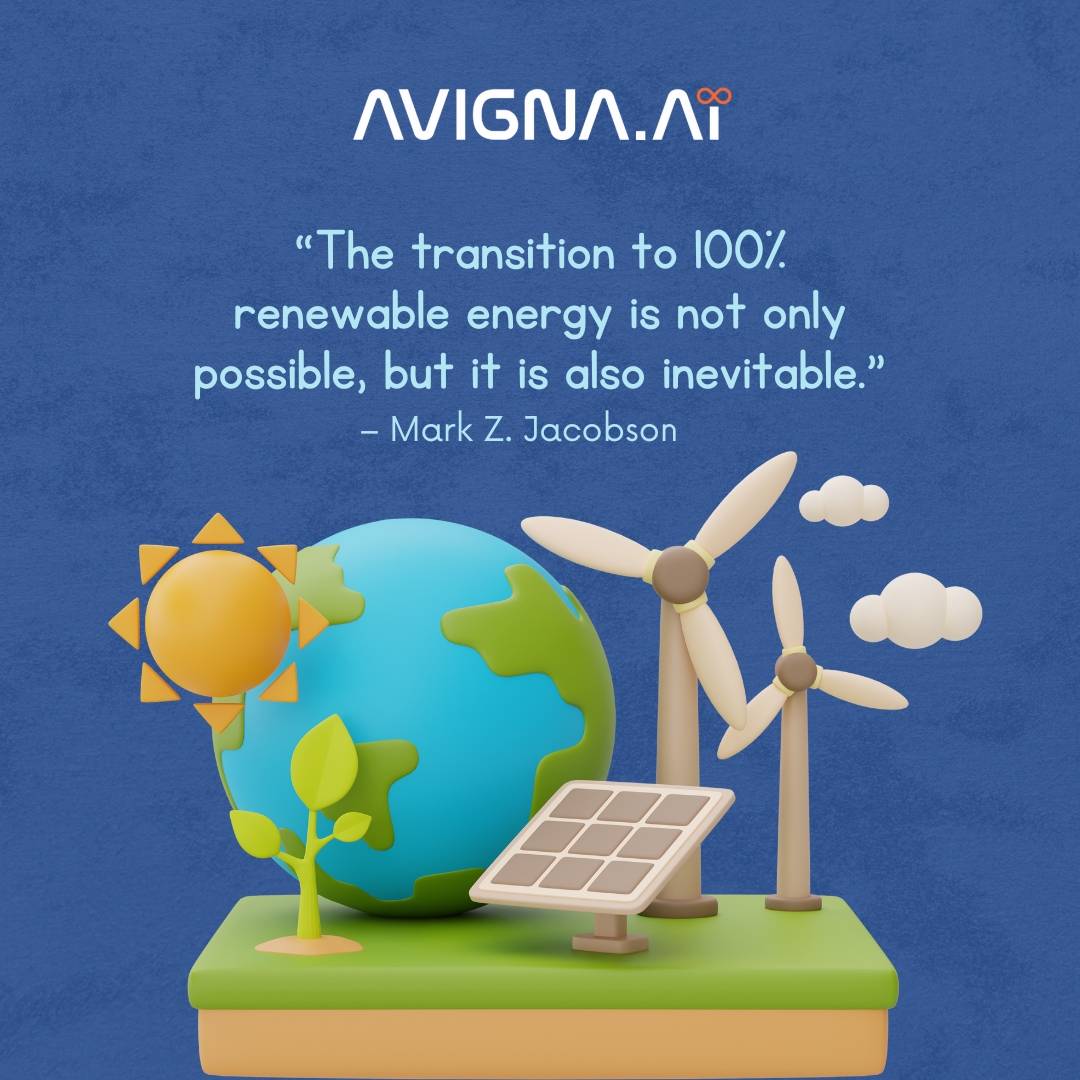
Harnessing the Power of AI Agents for IoT and Renewable Energy
The major challenge for renewables is their unpredictable nature. AI agents in renewable energy have changed this by processing weather data with complex neural networks. This allows them to forecast wind and solar power output accurately. This leads to better decisions about when to store, use or sell electricity. It’s one of the many capabilities that these agents possess. Below are same main functions that are carried out by these systems:
Predictive Maintenance
AI agents can monitor the renewable energy equipment and infrastructure, like wind turbines, solar panels, and energy storage systems. They can watch the data stream for patterns and anomalies. Hence, their job will be to foresee the maintenance needs, and the repair will be done without any interruptions.
This approach to maintenance can lead to considerable savings. It also makes technological equipment long-lasting and more reliable for the energy system as a whole.
Energy Management
IoT in renewable energy also plays a major role in energy management. AI agents can check energy usage in a building with sensors and monitoring equipment. Then it is adjusted according to real needs. It saves a lot of energy and prevents wastage. In commercial buildings, an AI agent was connected to IoT. This helped the business to save energy by 36% in just one month.
Also, the use of AI in solar and wind energy enables seamless integration of renewable power into the grid. Here, agents can adjust the energy mix according to the predicted changes in supply and demand. This leads to grid stability, energy consumption efficiency, and lesser dependence on fossil fuels for backup power.
Renewable Energy Integration
The world is changing, and the renewable energy-based economy is taking over. One major problem is the integration of renewable sources into the current grid systems. AI agents can overcome this by anticipating and controlling the ups and downs in renewable energy demand and supply.
With the help of machine learning, AI agents can dissect weather, consumer behavior, and market trends to quantify energy output and intake. This allows the energy producers to plan better for the use of renewables, pull back the grid pressure, and give out an even power supply.
Customer Engagement and Service
AI agents are changing customer engagement in the renewable energy sector by giving personalized efficient support. Power distribution companies can interact with their customers in real-time. AI-based chatbots and Virtual Assistants can answer their questions in a matter of seconds. These chatbots also offer energy-saving solutions to the customers.
AI agents can monitor customer statistics and provide personalized advice and different options. This boosts customer happiness and accelerates the shift towards AI-Powered renewable energy solutions.
Sustainability and Carbon Footprint Reduction
The utilization of IoT in renewable energy presents a future of environmental sustainability and carbon footprint reduction. The use of renewable energy sources like solar and wind power can be reinforced through the introduction of AI agents in energy production.
AI agents can optimize energy storage systems, manage grid operations, and facilitate the integration of distributed energy resources (DERs). It leads to a sustainable and resilient power system. Moreover, these smart energy management systems can assist energy providers in tracking and reducing their carbon emissions.
“AI agents are reshaping the renewable energy landscape. They’re doing this by bringing together real-time IoT data, machine learning, and automation. The result? Better predictions of energy generation, smarter consumption management, and a more stable grid. Companies using Avigna.AI IoT solutions are seeing improvements in predictive maintenance, lower operational costs, and a faster move towards clean, intelligent, and future-proof energy systems.”
How to Use AI Agents for Renewable Energy
The introduction of AI agents for renewable energy necessitates a strategic and carefully thought-out method. The energy producers must follow the below step wise method to effectively integrate IoT and renewable energy with AI agents:
Setting Goals for AI Agent
The first step is the find out the requirements of the renewable energy plant. It could be saving energy costs, increasing efficiency, improving reliability or all of these.
Data Integration and Management
The next step is to ensure that the data which is collected is of good quality. This becomes one of the most important steps in the deployment of AI agents. This is because the data collected comes from various sources. It could be sensors, weather forecasts, market trends etc. This raw data must be stored in a centralized and organized platform for AI agents to access.
Model Development and Training
AI agents depend on strong machine learning models for making smart decisions and optimizing renewable energy systems. Energy companies need to engage with data scientists and AI specialists for the development and training of such models. This training is based on historical data and real-time inputs to enhance the agents’ predictive capabilities.
Continuous Monitoring and Adaptation
Continuous monitoring and adaptation of AI agents will be necessary to enhance their effectiveness. Performance reviews, collecting feedback, and implementation of necessary updates to the algorithms and models are some of the steps that should be done on a regular basis.
Cybersecurity and Data Privacy
The integration of AI agents into renewable energy systems requires great concern for cybersecurity and data privacy issues to be addressed. Energy companies must put security measures in place to safeguard their systems and customer data from possible threats. They could use encryption, access controls, and incident response plans as some of the measures.
Regulatory Compliance
The renewable energy sector has to comply with various regulations and standards. The AI agents utilized by the energy sector must comply with all the relevant regulations and guidelines. It is done to maintain the integrity and dependability of the operations.
Collaboration and Knowledge Sharing
Collaboration and knowledge sharing across different providers can massively improve the performance of AI agents. The energy companies can take part in sharing with the industry partners, research institutions, and technology providers. They can share their best practices that could be used in other areas too.
Change Management and Workforce Upskilling
The adoption of Renewable Energy AI Agents will have a major impact on workforce reduction. This will make energy providers work on their change management tactics. Also, they must ensure that their workforce is trained and upskilled to work alongside these AI agents for better productivity.
Tips for Using AI Agents for Renewable Energy
The process of developing and optimizing AI agents can be easily managed by the collection and analysis of data coming from various sources. However, while using these AI agents, there are certain things that must be followed:
Know the Limitations: While building an AI agent, companies must understand that it can be built for a specific purpose. The specificity leads to its limitations. This is because it can only work on tasks on which it has been trained and on different set of data, it can produce inaccurate results.
Using consistent data: One should always ensure that the data on which the AI agent is working is consistent. An inconsistent data can confuse the AI agent and it can affect the overall system.
Start with Pilot Projects: After building an AI agent, companies should roll out them in phases. Firstly, they should use them in small projects to check its accuracy and troubleshoot errors. After it passes all the checklists, then it should be moved to a larger scale.
Timely Updates: The best way to keep an agent effective for a longer time is by frequently updating and training its model. This is because different energy providers work with different data and may face different challenges in their operations. These challenges might arise in other plants too. So, it is advisable to update the AI agent from time to time so that it can handle different challenges effectively.

Table: Benefits of AI Agents in Renewable Energy Operations
| Capability | Operational Benefit |
| Real-time energy forecasting | Better energy planning |
| Predictive maintenance | Reduced downtime |
| Automated grid management | Improved reliability |
| Performance optimization | Increased energy output |
| Operational insights | Data-driven decisions |
Conclusion
The energy sector is constantly searching to find solutions for issues like climate change and energy security. Therefore, the addition of AI agents for renewable energy has become an utter necessity. By understanding how to use AI agents for renewable energy, the energy sector can improve its renewable energy plants in terms of performance and dependability. Also, they can be part of an eco-friendly and durable energy future.
Organizations that embrace AI agents today will be best positioned to thrive as the world moves to clean, smart, and efficient energy systems. At Avigna.AI, we help organizations make a smooth transition into their AI Agent journey.
Contact Our AI Experts
Ready to supercharge your renewable energy efforts with AI?
Avigna.AI specializes in helping companies integrate scalable AI agents, fine-tune energy systems, and speed up their path to sustainability.
Contact us to receive a free consultation and learn how you can create smarter, more environmentally friendly, and more efficient energy solutions. You can connect us at queries@avigna.ai. Stay connected with us on LinkedIn.
FAQs:
- What are AI agents in renewable energy?
AI agents are software systems that automate energy optimization using real-time data and machine learning. - How do AI agents improve renewable energy efficiency?
They predict energy output, optimize consumption, and reduce system downtime. - What industries benefit from AI energy solutions?
AI-driven energy solutions present considerable benefits across a range of industries. These include energy generation, utility management, smart building systems, manufacturing, and infrastructure development. - What is the ROI of AI in renewable energy?
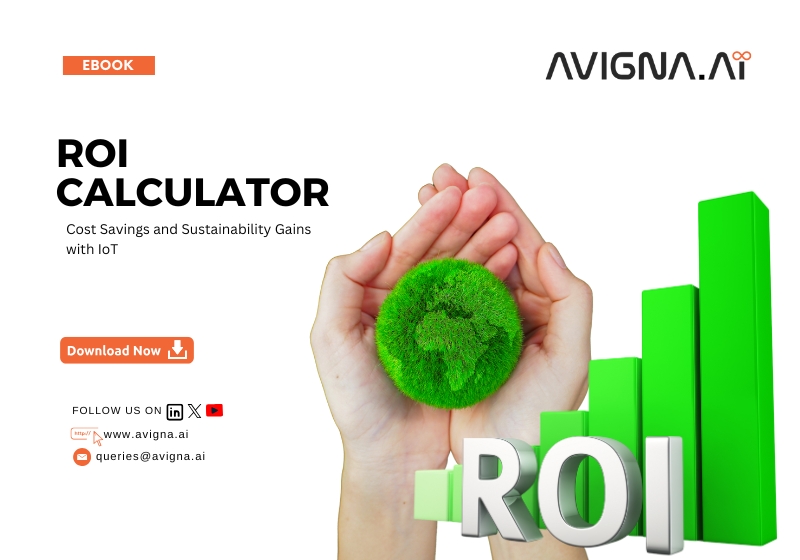
AI delivers 10%+ ROI by reducing downtime, optimizing energy output, and lowering operational costs, with higher returns as it scales.