Integrating HVAC, Lighting and Energy Systems Into One Intelligent Platform
Commercial buildings have quietly undergone one of the most significant technological transformations of the past two decades. HVAC systems have become increasingly intelligent. Lighting has evolved from manual switches to occupancy and daylight-responsive controls. Energy management platforms now provide detailed visibility into consumption patterns across floors, zones, and individual assets.
Yet despite these advancements, many buildings continue to struggle with an uncomfortable paradox. They are filled with smart systems, but they rarely function as smart buildings.
According to the International Energy Agency (IEA), buildings account for nearly 30% of global final energy consumption and around 26% of energy-related emissions. As organizations pursue aggressive sustainability goals and rising energy costs continue to pressure operating budgets, improving building performance has become more than a facilities objective. It has become a business priority.
The challenge, however, isn’t that buildings lack technology. It’s that the technology often operates in isolation.

An HVAC system can maintain temperature with remarkable precision. Lighting systems can automatically respond to occupancy. Smart meters can report energy consumption in real time. But when each platform works independently, facility managers are left with multiple dashboards, fragmented data, and decisions made without the full operational picture.
The industry has spent years making individual systems smarter. The next phase is about making those systems work together.
That is why integrating HVAC, lighting and energy systems into one intelligent platform is becoming one of the defining priorities for modern building operations.
The benefits of integration are often misunderstood. Many assume it simply means connecting systems through software or bringing data into a common dashboard. In reality, integration is about creating operational context.
Consider a commercial office where energy consumption unexpectedly rises during a weekday afternoon. An energy management platform will detect the increase. An HVAC system will continue regulating indoor conditions. Lighting controls will follow their programmed schedules.
Viewed independently, each system appears to be functioning normally.
However, when these systems operate on a common platform, an entirely different picture emerges. Occupancy sensors reveal that only half the workspace is in use. HVAC data shows cooling demand remains unusually high. Lighting continues to illuminate unoccupied meeting rooms, while weather data indicates a drop in external temperature that should have reduced cooling requirements.
Suddenly, the issue is no longer an increase in energy consumption. It is an operational inefficiency with an identifiable cause.
That distinction is important because businesses don’t reduce costs by collecting more data. They reduce costs by understanding what their data is trying to tell them.
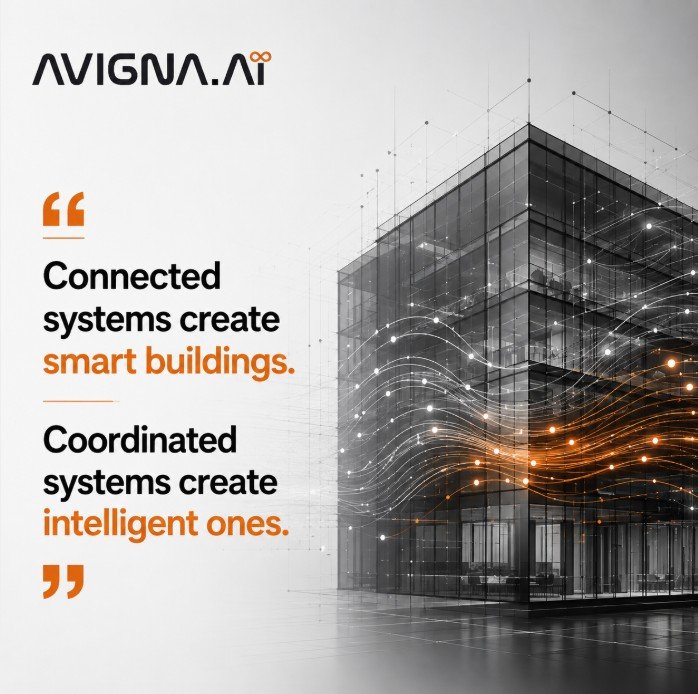
This shift is reshaping how organizations evaluate digital transformation initiatives. Increasingly, building owners are asking different questions. Instead of looking for the most advanced HVAC controls or the most feature-rich lighting platform, they want to know whether their building can continuously optimize itself across comfort, efficiency, maintenance, and sustainability.
Artificial Intelligence is accelerating this transition.
Rather than responding to isolated alarms, AI can correlate occupancy trends with indoor air quality, anticipate peak cooling demand based on weather forecasts, identify equipment operating outside normal efficiency ranges, and recommend operational adjustments before costs begin to escalate.
In this model, intelligence doesn’t come from replacing existing systems. It comes from giving them the ability to share context.
Interestingly, this expectation is no longer limited to commercial real estate. The widespread adoption of home HVAC automation has fundamentally changed how people think about building technology. Homeowners now expect heating and cooling systems to adjust automatically based on occupancy, weather conditions, and personal preferences. Energy optimization happens quietly in the background without requiring constant manual intervention.
Commercial buildings face a far greater level of complexity, but the expectation remains remarkably similar. Building owners no longer want isolated automation. They want environments that continuously learn, adapt, and optimize.
This is where Industrial IoT platforms are beginning to redefine building management. Rather than treating HVAC, lighting, and energy management as separate operational domains, an Industrial IoT platform creates a common layer of intelligence that connects systems, contextualizes data, and enables coordinated decision-making. The result is not simply greater visibility, but a building capable of responding intelligently to changing operational conditions.
This approach has implications beyond energy efficiency. As organizations expand their sustainability commitments, adopt hybrid workplace models, and manage increasingly distributed facilities, operational coordination becomes a competitive advantage. Buildings that can intelligently balance occupant comfort, energy performance, equipment health, and maintenance priorities will be significantly better positioned than those relying on disconnected automation systems.
The conversation, therefore, should no longer be about whether organizations need better HVAC systems or smarter lighting controls.
The more important question is whether those systems are capable of working together.
Because the future of smart buildings will not be defined by the intelligence of individual technologies. It will be defined by the intelligence of the platform that brings them together.
Building Intelligence Starts with Integration
At Avigna.AI, we help enterprises, facility operators, and equipment OEMs move beyond isolated automation by designing Industrial IoT solutions that connect HVAC, lighting, energy systems, and operational data into a single intelligent platform.
If your organization is exploring integrating HVAC, lighting and energy systems or evaluating the next step in its building automation journey, we’d be happy to discuss how connected intelligence can improve efficiency, sustainability, and long-term operational performance. Schedule a call with us.